
Taper Fade Haircut Including Low Taper at Pat Barber
The taper fade haircut is one of the most versatile cuts offered at Pat Barber’s private studio in Springvale. It is sharp enough to look intentional and subtle enough to suit most environments. It also grows out cleanly, which makes it a strong option for clients who do not want to come in too often. If you want something more refined than a skin fade but sharper than a standard cut, a taper is usually the right choice.
What Is a Taper Fade?
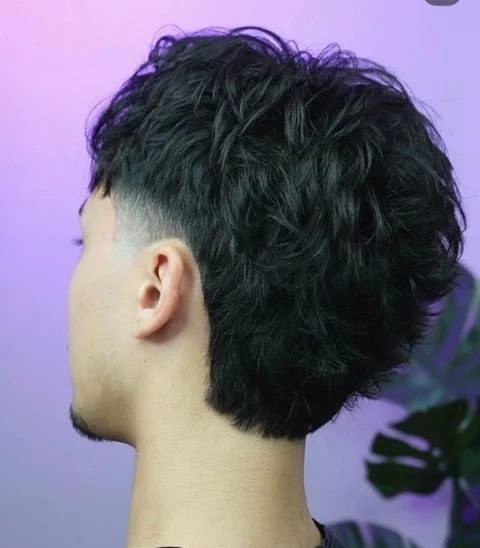
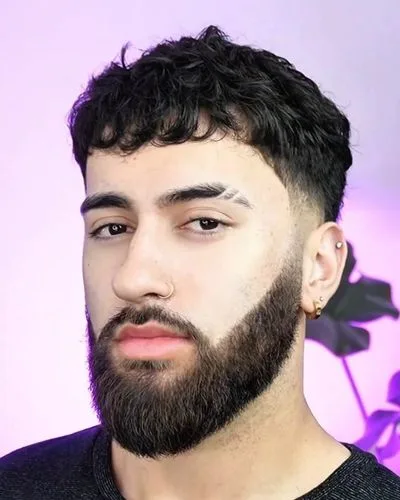
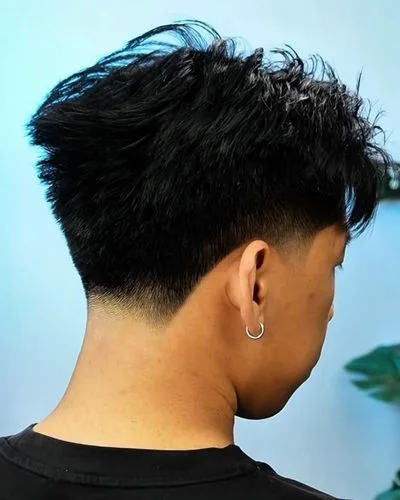
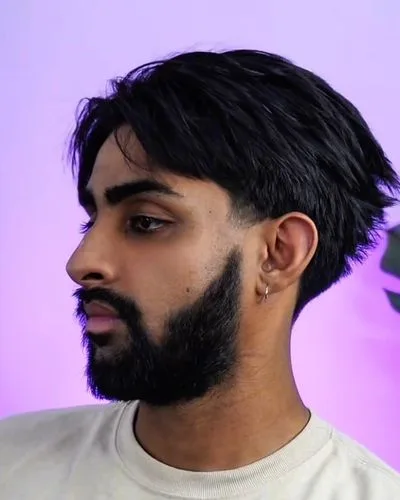
A taper fade is a haircut where the hair gradually shortens from the top of the sides down toward the base of the neck. The key difference from a skin fade is that it does not go all the way to the skin. There is a small amount of hair retained at the base, which gives the cut a cleaner grow-out and a slightly softer overall look.
There are three main variations based on where the taper begins.
High Taper
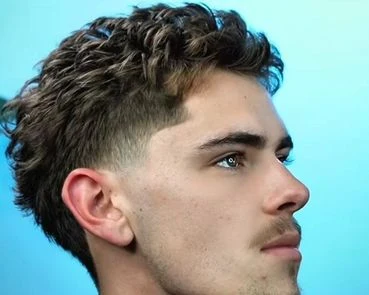
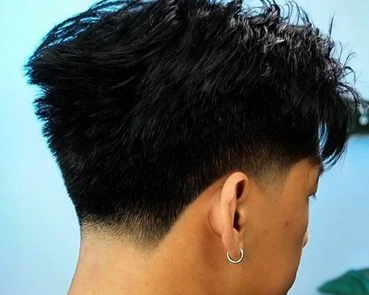
The blend starts high on the sides, close to the crown. Creates strong contrast between the shorter sides and the length on top. More dramatic than the mid or low options.
Mid Taper
The most common variation. The fade starts around the temple and blends downward from there. Works across most face shapes and suits a wide range of styles on top.
Low Taper
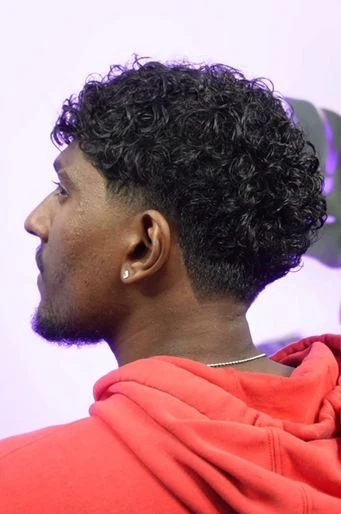
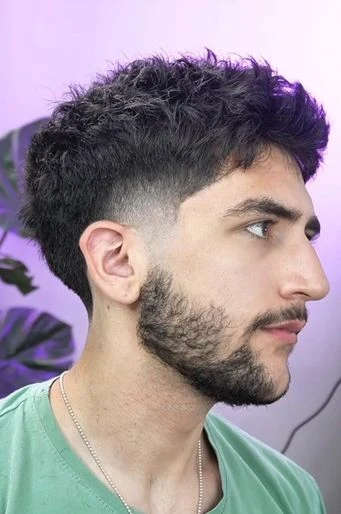
The blend starts low on the sides, just above the ear line. The most subtle of the three. Looks clean and deliberate without drawing attention to the fade itself. Currently the most-requested variation in the studio.
A taper fade typically holds its shape longer than a skin fade before the sides start looking overgrown. Most clients find they can go four to six weeks between visits while still looking sharp.
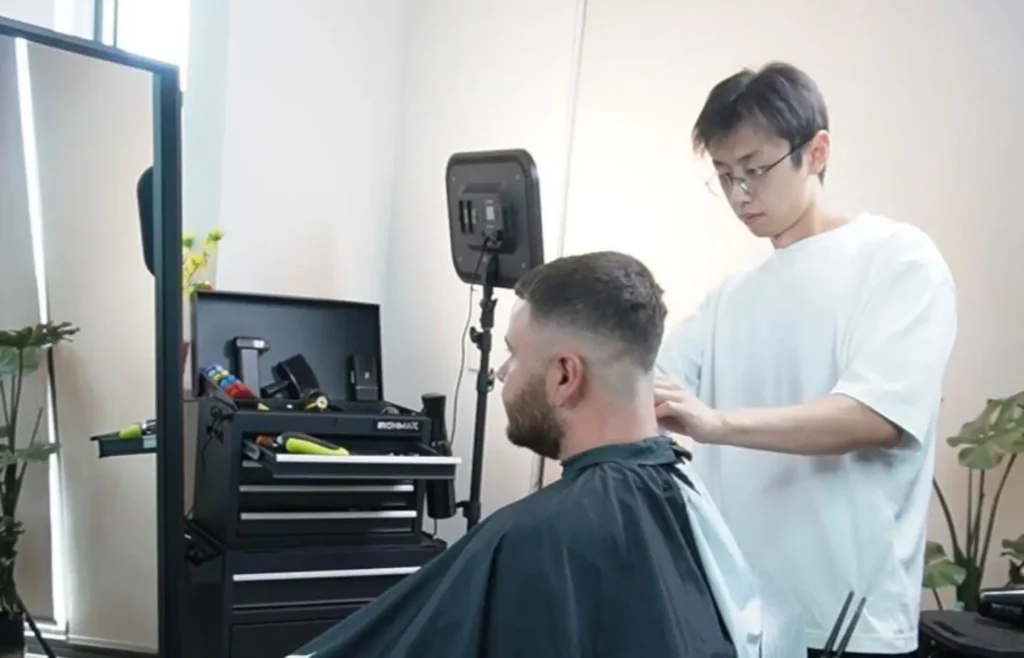
The Low Taper Fade — The Most Popular Style in the Studio Right Now
The low taper fade deserves its own section because it has become the default choice for a significant portion of Pat’s clients over the past year or two.
The fade starts low on the head and stays tight to the sides without going down to the skin. It suits the textured-on-top styles that are dominant right now — think loose curls, a crop with texture, or a longer fringe with clean sides. The contrast is there but it is understated.
It works particularly well for clients who are in professional or corporate environments and want something sharp that does not read as overly styled. It also suits clients who can only come in every five or six weeks because the grow-out is gradual and clean rather than obvious.
Pat executes the low taper across all hair types. On thicker or coarser hair the technique requires a different approach to achieve the same clean result — something he has worked through with enough clients to understand well.
How Pat Approaches Every Taper Fade
Every taper fade starts with a consultation. What you want, how often you come in, and how your hair behaves are all part of the decision.
The cut is not just about how it looks on the day. It is about how it grows out and how it fits your routine. A taper that looks good for a week but does not hold shape is not the right one.
Different hair types require different techniques. Straight hair blends differently compared to thick or curly hair. Pat works with these differences every day and adjusts based on what your hair needs.
The goal is consistency. Your next visit should look just as good as your first.
Taper Fade or Skin Fade — How to Choose
The question comes up constantly before a first booking. Here is the short version.
A taper fade retains a small amount of hair at the base of the sides. A skin fade goes all the way down to the skin. The visual difference depends on the rest of the cut but the lifestyle difference is consistent across every client.
Tapers suit clients who want something sharp but understated, who need a style that works in professional settings, and who prefer longer time between visits. Skin fades suit clients who want higher contrast, a bolder look, and are happy to come in every three to four weeks to maintain it.
Hair type plays a role too, though Pat will give you a direct recommendation at the consultation if you are not sure which direction to go.
If you want to read more about the skin fade specifically, the full breakdown is on the skin fade page.
Frequently Asked Questions
What is the difference between a taper fade and a skin fade?
A taper fade keeps a small amount of hair at the base of the sides. A skin fade takes it all the way down to the skin. Tapers are more subtle and grow out more cleanly. Skin fades are higher contrast and need more frequent maintenance. Both are available at the studio — the right choice depends on your hair type, your lifestyle, and how often you can come in.
How often should I get a taper fade?
Most clients with a taper fade find they can go four to six weeks before the sides start looking noticeably overgrown. The low taper variation in particular holds its shape well because the grow-out is gradual rather than obvious.
What is a low taper fade?
A low taper fade is a variation where the blend starts low on the sides of the head, just above the ear line. It is the most subtle version of a taper and suits clients who want a clean, sharp look without the sides being the main event.
Does a taper fade work on my hair type?
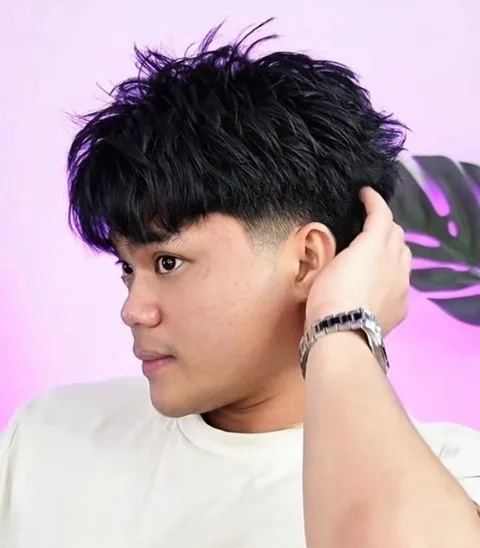
Yes. Pat works with straight, wavy, curly, coarse, thick, and fine hair regularly. He has specific experience with Asian and coarser hair textures that require a different technique to achieve a clean, consistent taper. If you have had results you were not happy with elsewhere, it is worth mentioning your hair type when you book.
Do I need to book in advance?
Yes. The studio is appointment-only. There are no walk-ins. You can book online in a couple of minutes or call directly to find a time that works.
Taper fade starts from $75.
Adding a beard trim to your appointment is available for an additional of $20.
Exact pricing is confirmed at booking.
Pat Barber is based in Springvale and takes appointments online or by phone. Spots fill up, particularly on weekends, so booking ahead is worth doing.
Clients Come From Across South-East Melbourne
The studio is in Springvale and regularly sees clients making the trip from Dandenong, Noble Park, Clayton, and surrounding areas specifically for taper fades and low tapers.
Easy to reach by car or train. For studio location, parking, and hours, find the full details on the contact page.